We all know that money matters can be a bit of a headache. Whether it’s figuring out how to save money, or stressing over how to pay your bills, financial worries can sneak up on the best of us. But don’t worry, you’re not alone. Here are some top tips for coping with financial stress that might just help you breathe a little easier.
Understand your financial situation
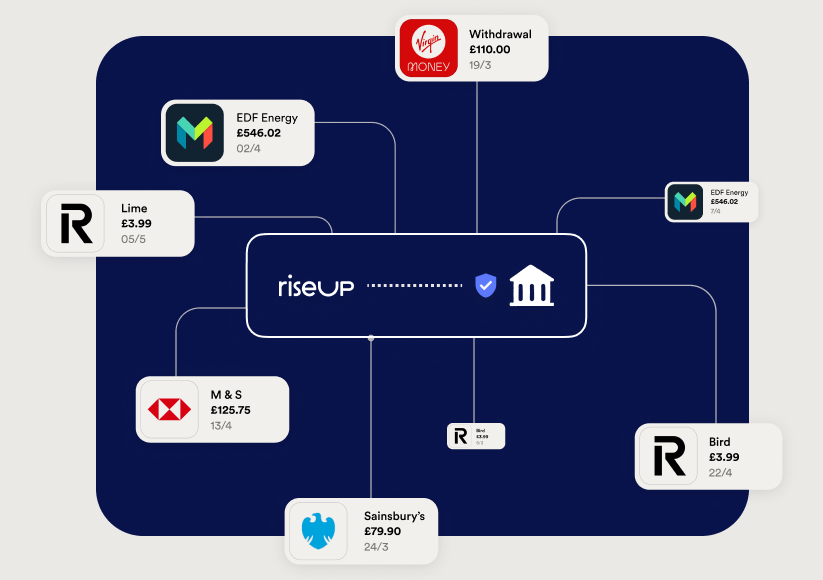
First things first, you need to get a clear picture of your financial situation. It’s like cleaning out your closet – a bit daunting at first, but oh so satisfying once it’s done. Gather all your financial documents, check your bank accounts, and list down your income, expenses, debts and savings. This step is crucial in dealing with financial stress because you can’t fix what you don’t understand.
Make a budget (yes, really)
I know, I know, the dreaded B-word. But trust me, budgeting doesn’t have to be boring or restrictive. Think of it as your personal financial roadmap. Allocate funds for your needs, wants and savings. There are plenty of apps (like RiseUp) that can make this process a breeze. Once you see where your money is going, it’s easier to make adjustments and find ways to save.
Prioritise your bills
When money is tight, it’s essential to prioritise your bills. Make sure you cover the basics first: rent or mortgage, utilities, groceries and essential transportation. If you’re struggling to deal with financial stress, consider contacting your creditors to discuss payment plans. Many companies are surprisingly understanding if you’re upfront about your situation.
Tackle debt wisely
Debt can be a major source of financial stress, but there are ways to manage it effectively. Focus on paying off high-interest debts first, like credit card balances. You might also look into consolidating your debts to simplify payments and possibly lower your interest rate. Every small step you take towards reducing debt improves your financial health.
Build an emergency fund
It might sound like a luxury, but having an emergency fund can be a lifesaver. Start small – even £10 a week adds up over time. This fund will give you a cushion for unexpected expenses like car repairs or vet bills, reducing the effects of financial stress when surprises arise.
Seek financial wellbeing support
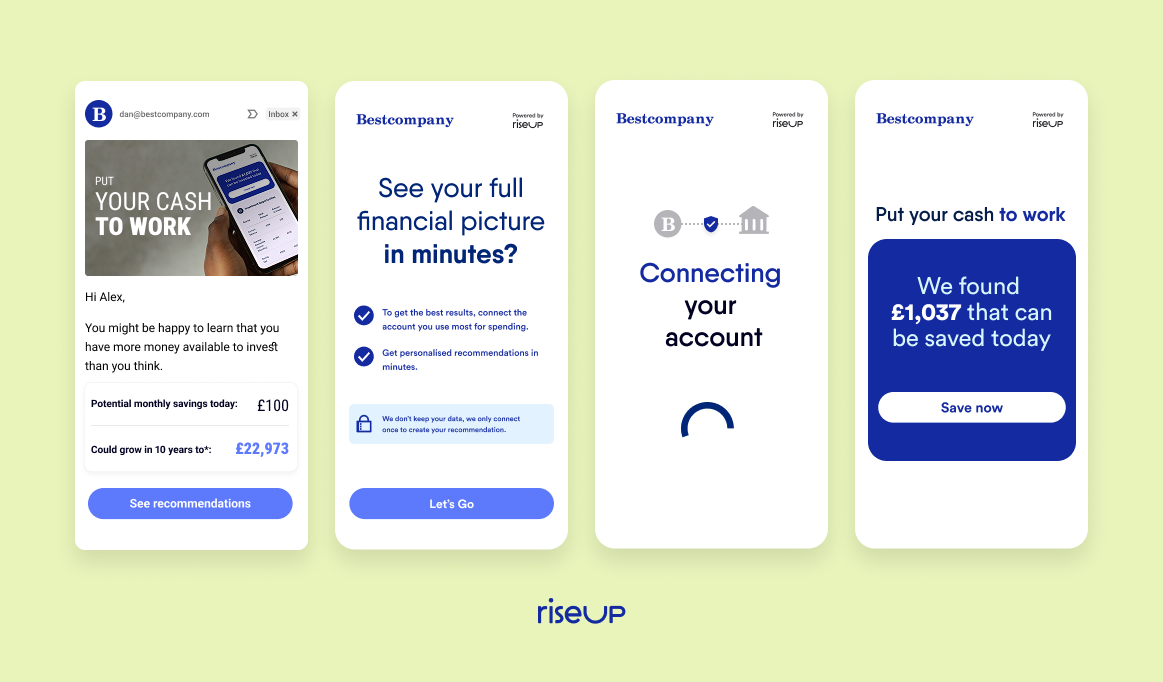
Sometimes, you need a bit of extra help. That’s where financial wellbeing support comes in. At RiseUp, we offer tools and community support to help you improve your financial fitness. Our app provides personalised recommendations and insights to help you save money and boost your financial wellness.
Don’t neglect your mental health
Money problems can take a toll on your mental health. It’s important to take care of yourself by finding ways to relax and de-stress. Exercise, meditation, or simply talking to a friend can help. Remember, seeking professional help from a therapist is always a good idea if financial stress feels overwhelming.
Plan for the future
Financial planning isn’t just for the wealthy. Set some financial goals – short-term, like saving for a holiday, and long-term, like retirement. Having goals gives you something to work towards and can motivate you to stick to your budget. Plus, seeing progress can be incredibly rewarding.
Avoid unnecessary spending
This might seem obvious, but cutting back on spending money unnecessarily can significantly ease your financial worries. Review your subscriptions and memberships – are there any you can cancel? Look for free or low-cost entertainment options. Every little bit helps. And don’t feel guilty for the things you actively enjoy spending money on.
Stay informed
Keeping up with financial news can help you make better decisions. For example, understanding interest rates can help you decide when to refinance a loan or open a new savings account. The more you know, the better equipped you’ll be to handle your finances.
Join a community
Sometimes, just knowing you’re not alone can make a huge difference. Join a community, like ours at RiseUp, where you can share your experiences and get advice from others who are also coping with financial stress. It’s a great way to learn new tips and tricks and feel supported.
Coping with financial stress is all about taking control of your financial situation and making informed decisions. By putting the above tips into action, you can reduce your financial worries and improve your overall financial health.
Remember, at RiseUp, we’re here to support you every step of the way. With the right tools and community, you can rise above financial stress and achieve financial wellbeing. So, why not give it a try?
Start your free trial with RiseUp today and take control of your financial future.