From soft saving to side hustles: here’s how Gen Z is building financial freedom without missing out on life.
You’re not living on instant noodles. You’re not skipping nights out. And you’re definitely not logging every expense in a spreadsheet.
Gen Z is shaping a new approach to saving in 2025, one that fits your values, uses smart tools, and leaves room to live well.
You automate what you can, build buffers through side gigs, use budgeting tools that actually make sense, and spend where it counts.
This guide covers practical, everyday ways to grow your savings without compromising on your lifestyle.
What is “soft saving” and how can you do it effectively?
Soft saving is about choosing with intention. It’s not about cutting out everything, it’s about knowing what matters, spending on what you value, and saving in ways that feel natural.
Ways to soft save without the stress:
-
Automate small savings based on what you can actually afford each month
-
Prioritise joy purchases, then trim what doesn’t serve you
-
Use flexible spending limits that adjust with your lifestyle, not rigid budgets
Soft saving works because it fits your life, not the other way around.
Which budgeting apps and tools actually help you save?
In 2025, Gen Z wants tools that keep things simple, smart and invisible in the background.
Here’s what’s helping people stay in control:
-
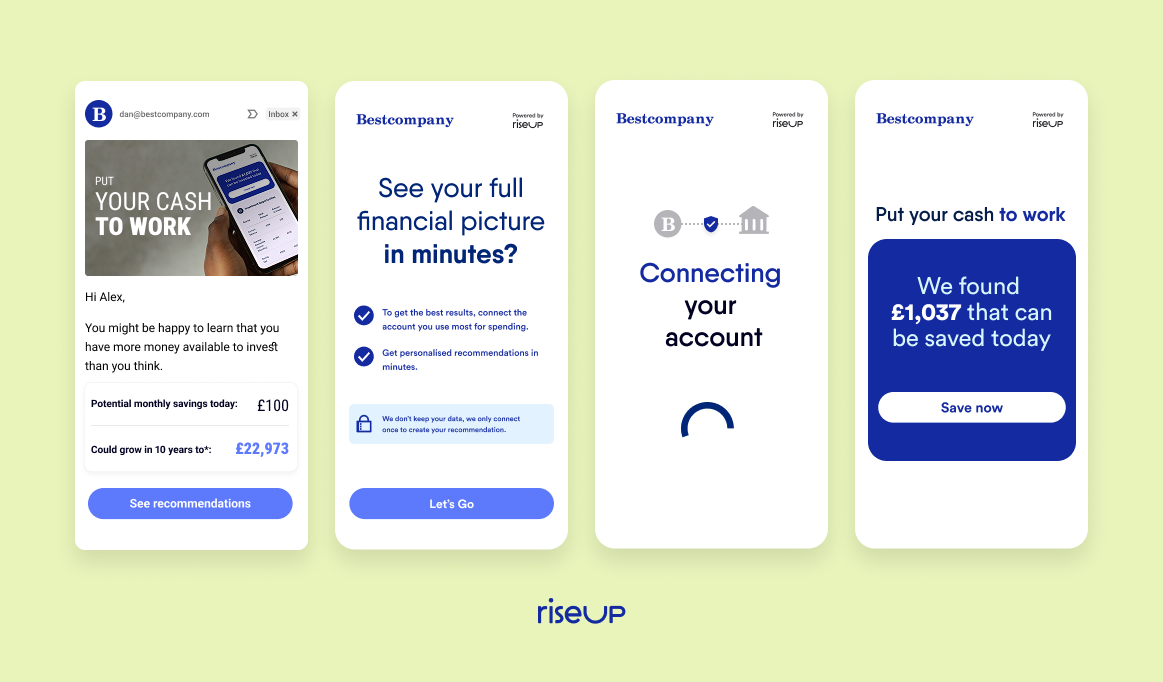
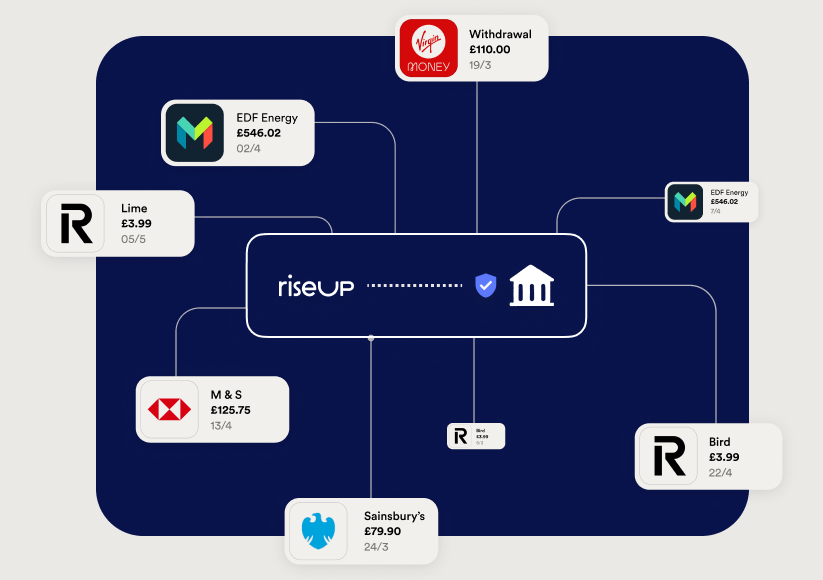
RiseUp – More than just a tracker. It shows your true disposable income after bills and commitments, so you know what’s safe to spend, and helps you save at just the right time. It’s clean, intuitive, and built for real life.
-
YNAB – Good if you like planning every pound with intention
-
Snoop – Useful for finding sneaky subscriptions and spotting patterns
-
Emma – Helps link multiple accounts and surface various costs
-
Plum / Chip – Automates micro-savings based on spending behaviour
All have their place, depending on the clarity and control you desire without overwhelming mental load.
Can micro-saving, automation and side hustles actually build real savings?
Absolutely. Most people aren’t saving from giant windfalls, they’re building buffers from small, consistent wins.
Try these approaches:
-
Round-ups: Spend £2.60, and 40p goes into savings automatically
-
Weekly auto-transfers: Just £10 a week adds up to over £500 a year
-
Automated split-paydays: The moment your salary lands, send a portion to savings
-
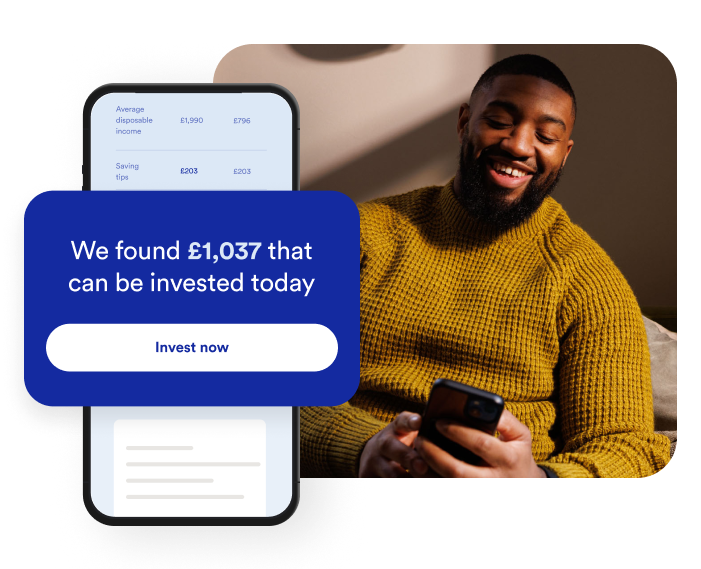
Smart prompts: RiseUp can flag when idle cash is just sitting there, so you can move it to a savings pot
Extra income boosts:
Sell on Vinted or Depop. Freelance. Tutor. Edit video. Start something niche and digital. Even £100 to £200 a month can seriously change your margin for emergencies or travel.
How do no-buy challenges and minimalism help you save intentionally?
It’s not about restriction, it’s about focus.
Here’s what people are doing:
-
Pick a category and freeze spending on it for 30 days (fashion, takeaways, skincare)
-
Build a capsule wardrobe to reduce impulse spending
-
Unsubscribe and unfollow accounts that push you to buy more
-
Add a “48-hour rule” before checkout to prevent impulse buys
You’ll save more, but also learn what actually brings you value.
What role do cashback, loyalty points, and rewards apps play in saving?
Used well, they can offset everyday spending and help fund the stuff you want to do.
Easy wins:
-
Cashback with TopCashback, Cheddar, or JamDoughnut on food, fashion and more
-
Loyalty stacking: Boots, Tesco Clubcard, and Nectar points add up fast
-
Use debit cards that offer built-in rewards like Monzo or Revolut
-
Offset subscriptions like Spotify or Netflix with consistent cashback earnings
It’s all about using the money you’re already spending – better.
Quick Takeaways
-
Gen Z is reshaping how saving works – smart, sustainable and experience-friendly
-
You’re building financial cushions without micromanaging every pound
-
Tools like RiseUp help you see your real spending power, and act on it
-
Small habits and intentional choices can unlock freedom faster than you think
FAQ: Gen Z Saving Tips 2025
How can I save money without giving up the things I enjoy?
Focus on soft saving, meaning spending intentionally while automating small saving amounts you can afford, and keep flexible spending caps. This way, you stay in control without harsh restrictions.
What kind of budgeting app works best for everyday use?
Choose apps that show your available spending after bills and commitments. Tools that reduce mental load and provide personalised insights work best for everyday use.
Do no-buy challenges really work?
No-buy challenges make your habits visible, help you pause before spending, and often show how much enjoyment comes from doing more with less.
What side hustles are most realistic for Gen Z right now?
Reselling clothes, tutoring, freelance design, social media management, or digital tools like online surveys offer a low entry barrier and high flexibility.
Are cashback apps worth the effort?
Used regularly, cashback and rewards apps reduce daily costs, offset the cost of small subscriptions, and support savings goals with minimal effort.
What are the key takeaways for saving smarter in 2025?
Gen Z is blending saving with living well by using digital tools that simplify decisions. Automation builds savings in the background, while habits like no-buy weeks create space to be more intentional with money.
How much should I automate each week to start?
Start with £10 per week and review monthly. Raise the amount when your buffer grows or your spending eases.
How do I avoid impulse spending online?
Unsubscribe from promotional emails, stick to a capsule wardrobe, and use a 48-hour pause before completing online checkouts.