We’ve all heard the phrase “money can’t buy happiness,” but financial difficulty can certainly bring a lot of stress and strain into a family’s life. From sleepless nights worrying about household bills to tensions that spill over into everyday interactions, the ripple effect of financial woes is far-reaching. Let’s dive into the nitty-gritty of how financial problems affect families and explore some ways to cope.
The emotional rollercoaster
Financial stress often brings along a host of emotional issues. When families struggle with money, it’s not just about the immediate worry of paying bills or making ends meet. There’s a deeper, more persistent undercurrent of anxiety that can affect everyone’s mental health. Parents may feel guilt and shame for not being able to provide as they’d like, while children can pick up on the stress and feel insecure about their future.
When you’re constantly worried about where the next meal is coming from or how to keep the lights on, it’s easy to become irritable and short-tempered. This emotional strain can lead to arguments and tension within the household, making home life feel more like a battlefield than a sanctuary.
Impact on relationships
Financial problems don’t just affect the individuals facing them – they can also put a strain on relationships. Couples might find themselves arguing more often about money, which can erode trust and intimacy over time. The stress of financial instability can also lead to one or both partners feeling overwhelmed and unsupported, further driving a wedge between them.
Kids, too, aren’t immune. They might sense the tension between their parents or feel the impact of financial constraints in their daily lives. Missing out on school trips, extracurricular activities, or the latest gadgets can make children feel isolated from their peers, affecting their self-esteem and social relationships.
Physical health consequences
It’s not just our emotional wellbeing that takes a hit. Financial stress can also lead to physical health problems. Constant stress has been linked to issues like headaches, high blood pressure, and even heart disease. When money is tight, people might also skip out on necessary medical care or medications, making existing health problems worse.
Financial worries can also lead to suboptimal nutritional choices. It’s cheaper to buy processed foods than fresh produce, which can lead to long-term health consequences. And the stress itself can lead to unhealthy coping mechanisms like smoking, drinking or overeating.
Coping with financial stress
So, what can be done? Tackling financial problems head-on with practical strategies can help alleviate some of the stress. Here’s how RiseUp can help you improve your family’s financial wellbeing:
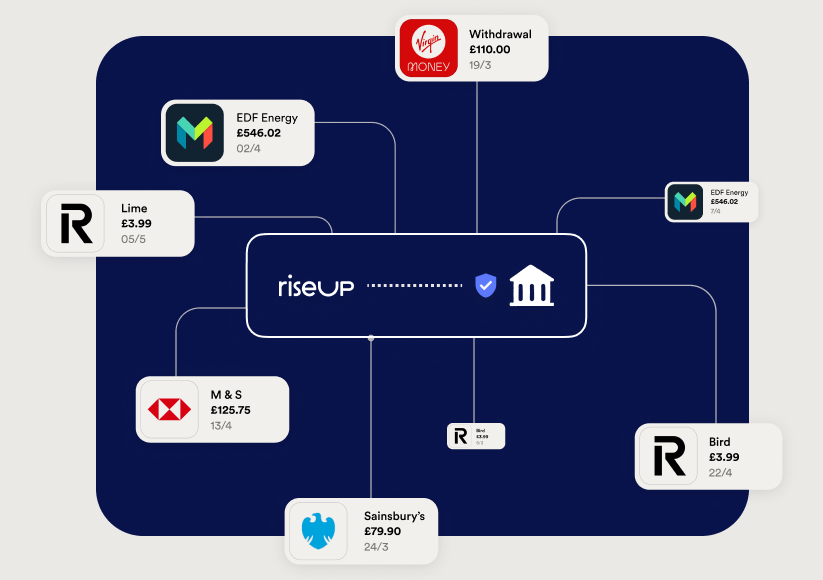
- Understanding your money: RiseUp helps you get a clear picture of where your money goes each month. This is crucial for making informed decisions and planning ahead.
- Boosting financial fitness: By setting up small, achievable goals, you can start to see progress and build confidence in managing your money. It’s all about those little wins that add up over time.
- Community support: Sometimes, just knowing you’re not alone can make a world of difference. RiseUp’s community offers a place to share advice, tips and encouragement, helping you stay motivated.
- Personalised recommendations: Everyone’s financial situation is different, so a one-size-fits-all approach doesn’t work. RiseUp offers tailored insights to help you navigate your unique challenges and opportunities.
- Daily engagement: Spending just a few minutes each day checking in on your finances can create a habit of mindfulness around money. RiseUp Daily turns checking your accounts into a simple, manageable ritual.
Seeking support
If financial stress is taking a toll on your mental health, don’t hesitate to seek help. Whether it’s talking to a trusted friend, joining a support group, or consulting a professional, there’s no shame in reaching out. RiseUp offers financial wellbeing support to help you navigate these tough times and find a path forward.
Remember, improving your financial situation is a journey, not a sprint. It’s about making small, consistent changes that add up over time. With the right tools and support, you can turn things around and build a more secure and confident financial future for your family.
At RiseUp, we’re committed to helping you achieve your financial goals and improve your overall financial wellness. Join us today and take the first step towards a brighter financial future.
Start your free trial with RiseUp today and take control of your financial future.