If we’re trying to get our money under control, food shopping and eating out are two key spending categories to look at. They often account for a large portion of our monthly expenses, but with the right strategies, it’s possible to cut costs without compromising on quality or enjoyment.
In our latest community challenge, members shared their go-to hacks for saving money on food. Here’s a roundup of the most practical and creative tips straight from the community.
1. What are the best ways to save money on groceries?
Loyalty schemes and discount apps can make a real difference when it comes to grocery shopping. Daniela said: “I have an app for all the supermarkets on my phone – Nectar for Sainsbury’s, Clubcard for Tesco – just so I can benefit from all the savings. I literally shop where the deals are!” This approach helps you get the best prices across different stores, adding up to significant savings over time.
Joanna recommended using apps like CheckoutSmart and Shopmium to get cash back on groceries. “I’ve used this before and saved money on different items.” Cashback apps offer rebates on everyday purchases, which can reduce your overall grocery bill.
2. Which Supermarkets Offer the Best Value for Money?
Our community members are big fans of switching to discount supermarkets like Lidl and Aldi. Darren decided to switch from Tesco to Lidl, motivated by the substantial savings. Alice added that while Aldi might not have everything, it’s easy to pick up any remaining items elsewhere, still saving money overall. She also suggested focusing on specific own-brand products that often outperform the more expensive alternatives: “Lidl coconut milk is way creamier and less watery than any other I’ve tried, and cheaper.”
Another pro tip came from Chloe, who uses Sainsbury’s SmartShop scan feature to monitor her spending in real-time while shopping, ensuring she sticks to her budget.
3. How can meal planning and batch cooking save you money?
Meal planning and batch cooking are popular ways to cut down on both grocery costs and food waste among our community. Ele shared her success with the Cherrypick app, which helps her plan meals, track what she has in her cupboards, and avoid buying unnecessary items. This not only saves money but also reduces the temptation to grab extras when shopping in-store.
Matt reflected on his strategy to avoid coffee shop temptations: “I’ve been trying to pay with the Starbucks app and only top up a specific ‘treat’ amount each month. Once the balance is down, there’s no more topping up until next month.” This is a great way to enjoy occasional treats without overspending.
4. Can you use meal kits without paying full price?
For those who enjoy the convenience of meal kits but worry about the cost, Daniela offered a clever workaround: “I have two accounts. I cancel one, use the other, and then wait for the first account to send me offers to lure me back… so I never end up paying full price for a box.” This allows you to enjoy fresh, home-cooked meals without breaking the bank.
Alice said she uses meal kits like HelloFresh sporadically, especially during busy periods, to save time and avoid the expense of eating out. She pointed out that while these kits can be pricey at full cost, they’re much more affordable with discounts, which are often available if you try to cancel.
5. How can you spend less when eating out or going to the cinema?
When it comes to dining out, Joanna suggested joining loyalty clubs, like the PizzaExpress Club, which offers members free dough balls and other perks. Meanwhile Ele uses apps like Tastecard to get discounted cinema tickets, combining savings on entertainment and dining for a more budget-friendly night out.
Daniela shared another cinema-related hack: taking your own snacks and using the Compare the Meerkat app for 2-for-1 tickets, reducing a typical £40 outing to under £20. These small adjustments can add up to significant savings over time.
6. When is the best time to find grocery discounts?
Chloe recommended hitting the reduced sections in supermarkets at specific times to snag bargains, like bread and bagels for under 50p at Sainsbury’s on Friday nights. Freezing these items can stretch your grocery budget further.
Matt also highlighted the benefits of timing, noting that the reduced shelf at his local Tesco is most promising between 2pm and 6pm on weekdays. Knowing when to shop for discounts can significantly reduce your grocery bills.
Our community is a goldmine of money-saving wisdom, offering a range of strategies to help keep grocery and dining expenses in check. The key takeaway? A little bit of planning and a willingness to try new approaches can lead to big savings over time.
FAQ
In the UK, it typically ranges between £300–£600 depending on family size, location, and dietary needs.
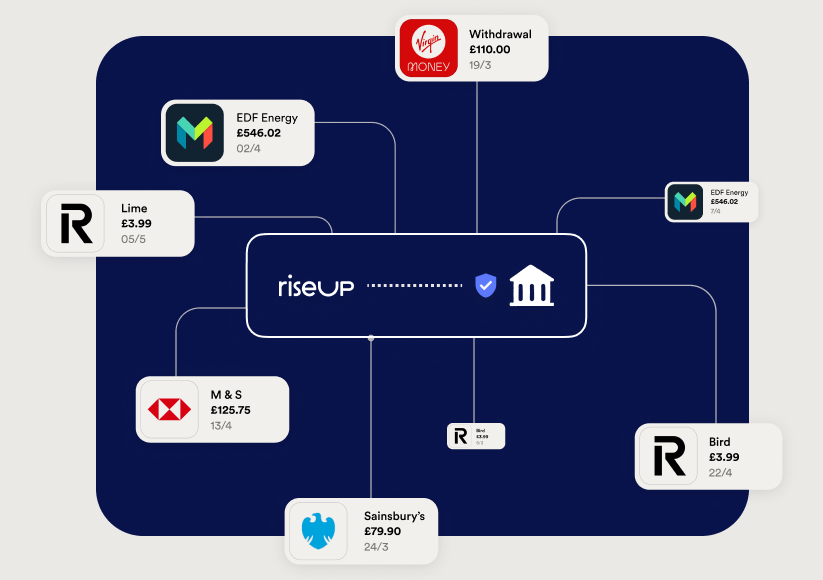
Use cashflow apps like RiseUp, or even your bank apps and store loyalty accounts that categorise and summarise your spending data.
Occasionally, especially with deals, 2-for-1 offers, or shared plates. But on average, cooking at home is much more cost-effective and healthy.
Build your meals around basic, flexible ingredients that can be used in different ways, like rice, lentils, and whatever’s in season. Cook big, freeze the extras, and get creative reusing ingredients across multiple meals.
Yes. When used regularly, various apps and loyalty programmes can reduce weekly spending by 10–30%. Some names mentioned in our community include Shopmium and CheckoutSmart.
Sign up to our mailing list to be the first to hear about upcoming savings challenges.