We all know that money matters, but how often do we really think about our financial health? Most of us probably aren’t thinking about it enough. So let’s chat about why financial health is important and why it deserves a bit more of our attention.
Financial health is about more than just numbers
When we talk about financial health, we’re not just referring to the amount in your savings account or how much credit card debt you have. Good financial health includes understanding and managing your money, planning for your financial future, and having the confidence to make informed financial decisions. It’s about creating a stable, stress-free environment for yourself and your loved ones. So, why is financial health important? Let’s break it down.
Managing your money without the stress
For most of us, managing personal finances can be stressful. Whether it’s figuring out monthly budgets, tackling high interest debts, or simply trying to save a bit more, the pressure is real. But having a handle on your finances can alleviate a lot of this stress. Knowing exactly where your money is going each month, having a plan to pay off those pesky credit cards, and seeing your net worth grow can bring a huge sense of relief.
Building an emergency fund: your financial safety net
One of the most crucial aspects of financial health is having an emergency fund. Life is full of surprises – some pleasant, others not so much. An emergency fund is your financial buffer against those unexpected expenses, like car repairs or bills you hadn’t planned for. It’s about having a cushion to fall back on without derailing your long-term goals.
Planning for the future
Improving your financial health isn’t just about the here and now; it’s also about your future. If you can and you haven’t done so already, it’s worth thinking about saving for retirement, investing wisely, and maybe even working with a financial planner can set you on the path to a secure and comfortable future. It’s never too early to start thinking about where you want to be financially in 10, 20, or even 30 years.
Why financial health matters for mental wellbeing
Financial stress is a major contributor to mental health issues. Constantly worrying about money can affect your sleep, your mood and even your physical health. By taking steps to improve your financial health, you’re also taking care of your mental wellbeing. Imagine a life where you’re not up at night worrying about bills or debt collectors – sounds pretty good, right?
Boosting your credit score
A healthy credit score is another key component of good financial health. It affects your ability to get loans, mortgages and even impacts your interest rates. By managing your money well, paying bills on time and keeping your credit card debt in check, you can improve your credit score. And a good credit score opens up a lot of financial opportunities.
The role of financial advisors and planners
If managing your money feels overwhelming, you’re not alone. Many people turn to financial advisors for help. A good financial advisor can offer personalised advice, help you set realistic financial goals and guide you in making smart money decisions. It’s like having a coach for your finances – someone to keep you on track and motivated.
Monthly budgets: a practical tool
Creating and sticking to a monthly budget can be a really effective way to manage your money effectively. It helps you see where you’re spending more money than you should and where you can cut back. It’s a straightforward tool that can significantly impact your overall financial wellness.
Long-term goals and financial health
Setting and working towards long-term financial goals is a crucial part of maintaining good financial health. Whether it’s buying a home, starting a business, or simply retiring comfortably, having clear goals gives you direction and purpose. It makes the day-to-day management of your money feel more meaningful and rewarding.
The RiseUp community: supporting your financial journey
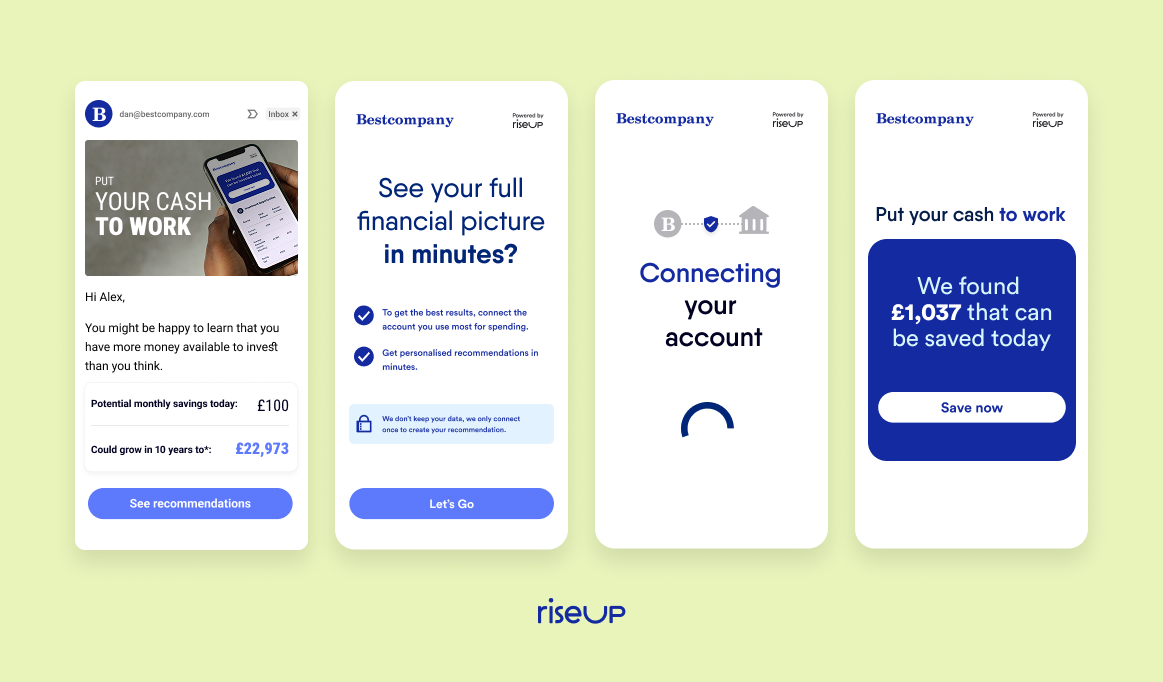
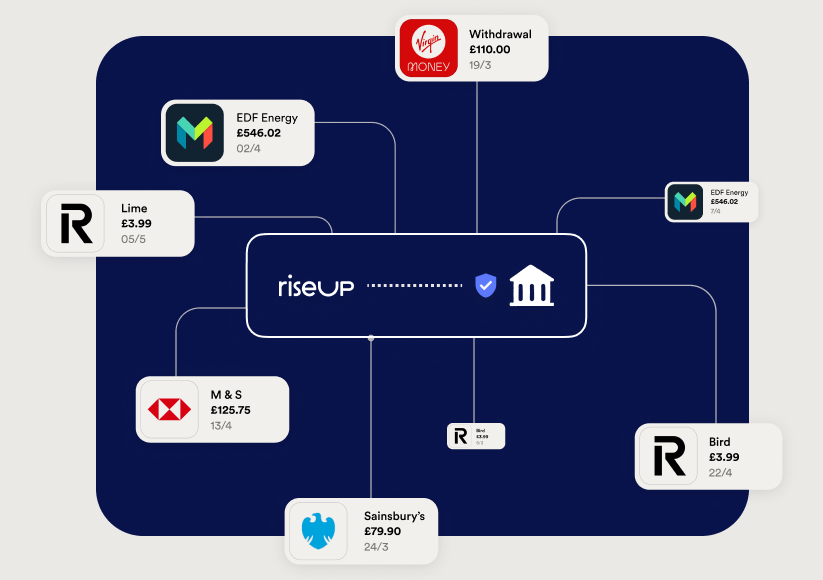
At RiseUp, we believe in the power of community and technology to support financial health. Our app helps you manage your money, forecast your financial future and provides personalised content and tips to improve your financial wellbeing. Our community offers advice, inspiration and the chance to participate in group challenges – all designed to help you build a positive relationship with your finances.
Improving your financial fitness might seem daunting, but every journey starts with a single step. Whether it’s opening a savings account, cutting down on unnecessary expenses, or seeking financial wellbeing support, each action brings you closer to financial stability and peace of mind.
So, why is financial health important? Because it’s the foundation of a secure, stress-free and fulfilling life. Take control of your finances today with RiseUp and discover how empowering financial health can be.
Start your free trial with RiseUp today and take control of your financial future.