In a world where money affects almost every aspect of our lives, understanding financial wellbeing is crucial. But why is wellness important, and how can you achieve it? Let’s dive into the reasons and ways to enhance your financial health, reduce financial stress and secure your financial future.
The importance of financial wellness
Financial wellness is essential for several reasons. It impacts your mental health, physical health and overall quality of life. When you have control over your personal finance, you experience less stress and anxiety, leading to better mental and physical wellbeing.
This peace of mind translates to improved employee wellbeing and productivity, as financial stress is a big distraction in the workplace.
A key part of healthy finances is having a solid savings account. This acts as a safety net, providing a cushion for unexpected expenses and helping you feel secure in your financial situation. Knowing you have savings to fall back on can greatly reduce stress and anxiety, contributing to better mental health.
Achieving financial wellness
There are several steps to improving your financial situation, from boosting your financial literacy to setting short and long-term goals. Here’s a practical guide to help you get started:
- Get clued up on financial terms
Feeling confident that you understand financial concepts can help you on your journey to financial wellness. Financial literacy involves knowing how to manage your personal finance, including budgeting, saving and investing. Resources like RiseUp provide valuable financial education and tools to help you navigate your financial journey with confidence.
- Open a savings account
A savings account is crucial for building financial security. Aim to save a portion of your income regularly. This habit not only helps in building wealth but also prepares you for emergencies, ensuring your financial situation remains stable.
- Set short and long-term goals
Having clear financial goals is essential. Short-term goals might include saving for a holiday or a new gadget, while long-term goals could involve buying a home or retiring comfortably. Setting and achieving these goals boosts your financial health and provides a sense of accomplishment.
- Seek support
Sometimes, managing your money can be overwhelming. This is where financial planners come in handy. They offer expert advice and personalised strategies to help you achieve financial fitness. At RiseUp, we provide financial wellbeing support through our community and tools, helping you manage your money more confidently.
- Reduce high-interest debt
High-interest debt can be a burden, eating into your savings and causing financial stress. Focus on paying off debts with the highest interest rates first. This strategy, known as the avalanche method, can save you money in the long run and improve your overall financial situation.
- Keep tabs on your financial health
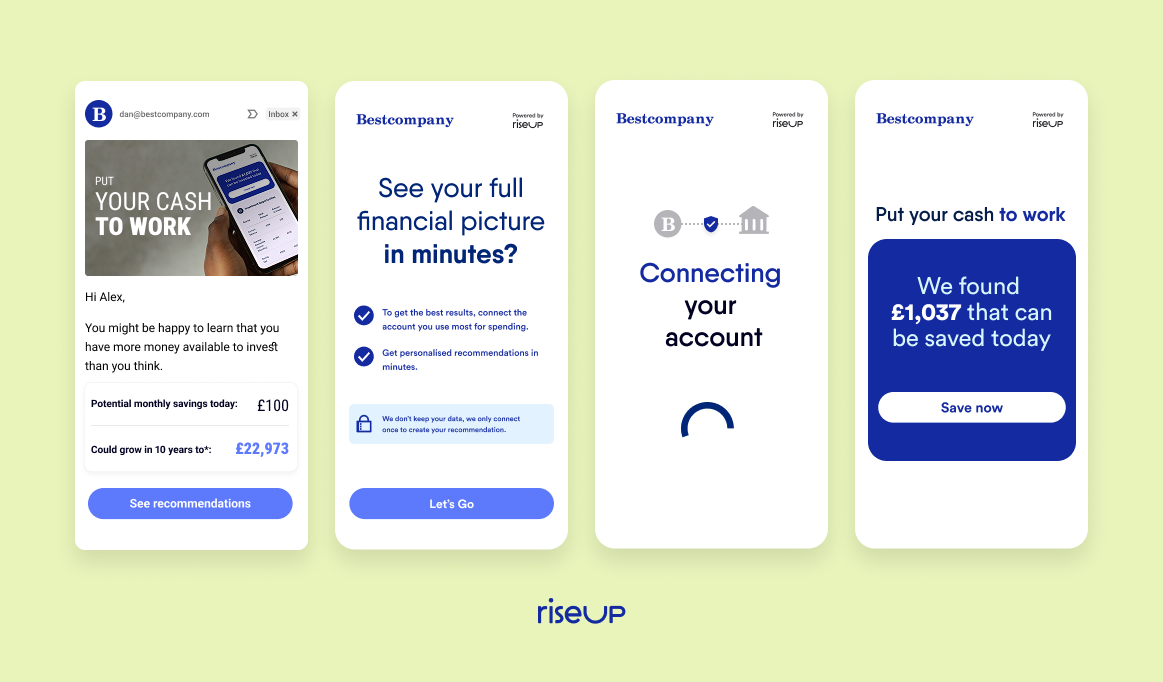
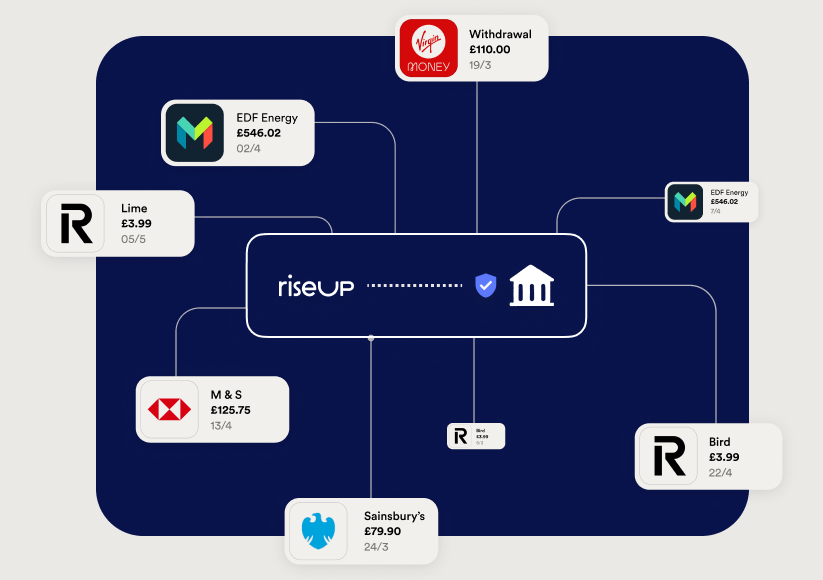
Regularly look at your finances to ensure you’re on track with your goals. Use tools like RiseUp to combine your household accounts, income and expenses into one secured space, providing a clear view of your financial health. Monthly forecasts and personalised content can guide you in making informed decisions.
- Focus on physical and mental wellbeing
Remember that the health of your finances is closely linked to physical and mental health. Managing financial stress effectively can lead to improved overall wellbeing. Engage in activities that promote both physical and mental health, such as exercise, meditation and hobbies.
- Educate and communicate
Talk openly about money with family and friends. Sharing financial goals and challenges can provide support and reduce the stigma around financial discussions. It also helps in gaining new perspectives and tips to manage your finances better.
Understanding why this is all so important and how to achieve it can transform your life. By increasing your financial literacy, setting clear goals and seeking support, you can enhance your financial health, reduce stress and achieve peace of mind.
Remember, this is a journey and with the right tools and mindset, you can feel secure and confident about your financial future.
At RiseUp, we’re here to help you every step of the way. Our financial wellbeing membership offers the tools, knowledge, and community support needed to improve your relationship with money. Join us and discover the benefits of financial wellness today.
Start your free trial with RiseUp today and take control of your financial future.